September 17, 2026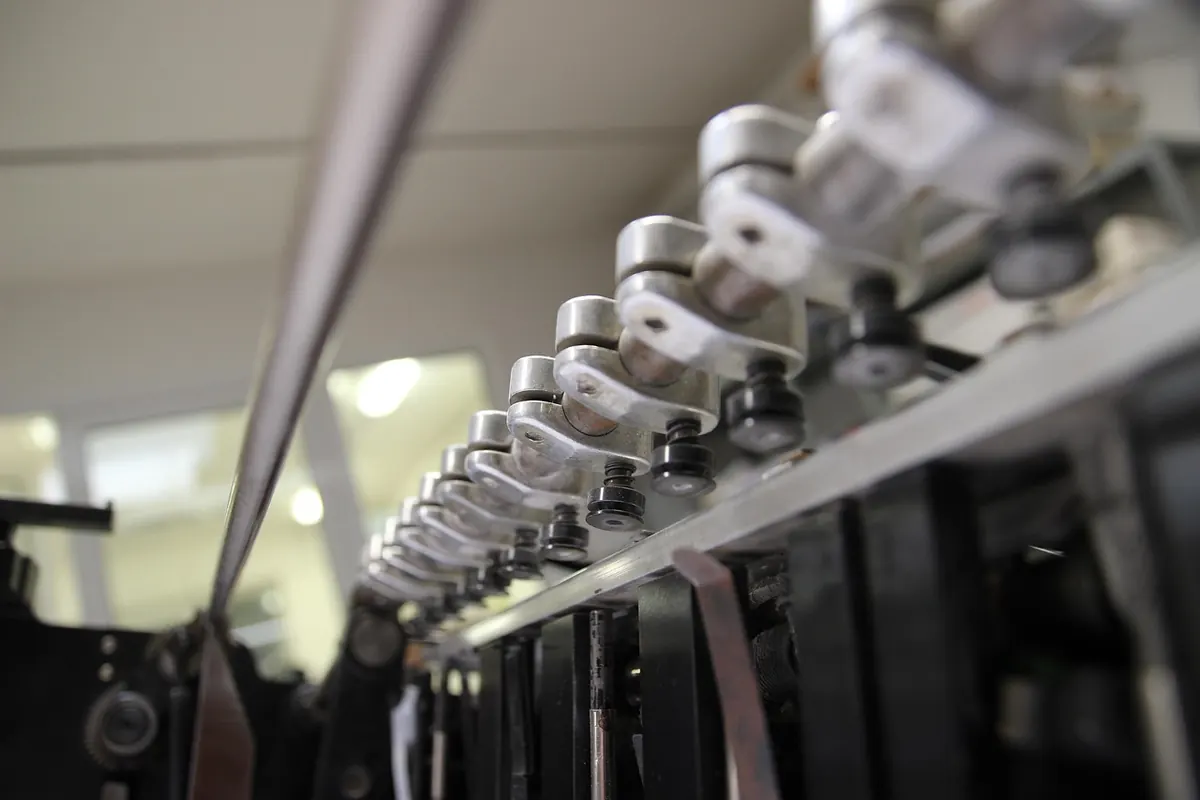
An art book asks a printer to do something slightly unreasonable: hold fine detail, keep a soft mid-tone from turning to mud, and repeat the trick a few hundred times on a budget that would barely cover a wedding album. Two processes dominate the answer — offset litho and digital — and the choice ripples outward into cover price, page count, paper and how long you spend sitting on boxes in a spare room.
Two very different bargains
Offset printing works from metal plates: one for each colour, mounted on a press, with time and paper spent getting ink density and registration right before anything saleable appears. That set-up is expensive and fixed. Once the press is running, each extra copy costs very little.
Digital printing skips the plates. Your file goes straight to a press that lays down toner or liquid ink, so the hundredth copy costs roughly what the first one did. Set-up is minimal; the cost per copy is not.
Print-on-demand belongs to the digital family — a digital press with a distributor attached — but its paper and format choices are narrower, and its pricing rarely rewards a long run.
Minimum print runs and where the curves cross
Digital is workable from a couple of dozen copies upwards. Many offset printers will quote from a few hundred and find their comfortable break points higher still. The crossover depends on trim size, page count, paper and binding, so ignore rules of thumb: ask for quotes at three quantities — 150, 300, 750 — and plot the price per copy yourself.
Two details trip people up. Page counts usually need to be a multiple of four, and offset presses print in sheets of eight or sixteen pages, so a 92-page book may be priced as a 96-page one. Ask which page counts suit the press before you finalise your contents.
A hybrid often suits a small press best: a digital interior with an offset cover, or a litho run now and a short digital reprint if the first edition sells through.
Where the money actually goes
When you compare quotes, read what is actually being charged for.
- Set-up. Plates, make-ready and waste sheets for offset; file handling and a calibration run for digital.
- Paper. Usually the largest line once quantities rise, and digital presses often accept a narrower, pricier range of stocks.
- Press time. Charged per sheet on digital, and the dominant cost on offset at higher quantities.
- Binding. Sewn sections, foil blocking and printed endpapers involve handwork, and handwork does not get cheaper in small numbers.
- Proofing and the boring extras. Wet proofs or a press check, delivery, storage, shrink-wrapping, and any reprint after a mistake.
The pattern is consistent: at low quantities your bill is mostly fixed costs, which favours digital. Above a few hundred copies, paper and press time take over and offset starts to look generous.
Colour fidelity
This is where art books are won and lost, and where general advice has to give way to testing on your own images.
How the ink behaves
Offset inks sit in the paper, giving deep, even blacks and smooth transitions across large flat areas. Digital toner sits on top of the sheet, which can leave a slight sheen and thinner-looking darks; liquid-ink digital presses close much of that gap. Fine line work, subtle monochrome photography and broad areas of one flat colour show the difference most.
Consistency across the run
Offset is printed to a signed-off sheet, so copies from the middle of a run tend to match each other closely. Digital presses can drift over a long session, particularly older machines. Ask for a printed sample from the same press and stock rather than a generic brochure.
Uncoated and textured papers
Textured and heavy uncoated stocks are the hardest case for digital, because heat and pressure in the fuser can flatten or mark them. Offset handles them comfortably. If your design depends on the feel of a rough uncoated board, check that first — it may decide the process for you.
Special inks and finishes
Spot colour, metallics, fluorescent inks, varnish and foil are offset territory, or a separate finishing stage regardless of how the pages were printed. Budget for them as additions rather than assuming they come as standard.
Paper, format and finishing
Digital presses usually run sheets a little larger than A3, which suits A5, A4 and square formats and makes very large or very long formats uneconomic. Offset runs bigger sheets and copes better with oversized, landscape or unusually trimmed books.
Choose paper weight by feel rather than by number alone: ask for a swatch book and handle a few uncoated sheets. Check grain direction too — it affects how a thick book opens and whether the spine cracks. On binding, perfect binding needs enough pages to form a spine, saddle stitching suits thin books, and a section-sewn binding is both the sturdiest and the dearest. Not every digital printer offers every option.
Questions worth asking your printer
- Which stocks can you run on the digital press,
Photo: dengmert / Pixabay